AI (Artificial Intelligence) -TIDBITS
AI – TIDBITS Who produced The Persistence of Memory? A. Salvador Dalí It was Dalí who …

AI – TIDBITS Who produced The Persistence of Memory? A. Salvador Dalí It was Dalí who …
Anthropic first rolled out a Mythos level AI model to consumers in April 2026. Mythos 5 is the strongest cybersecurity model, #.Exceeds capabilities of all previous public Anthropic models. #.Performs highly on lengthy, analytical tasks. #.This is Anthropic’s buzzy cyber security model. It had only been available to a select handful of companies.
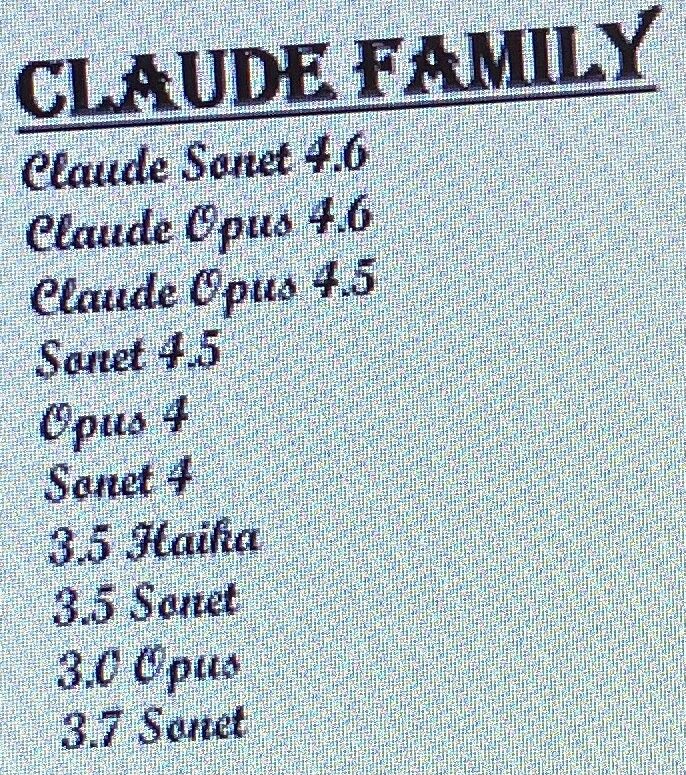
Whether a user is looking for a fast, lightweight assistant or a model that can deeply analyze documents, code or images, there’s a Claude model that fits the bill.
ANTHROPIC / Claude logo shows the company’s distinctive coral pink asterisk symbol alongside the Claude Code wordmark in serif Font.
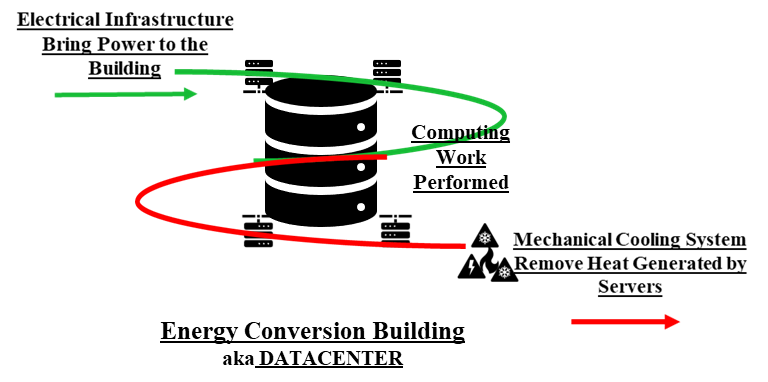
Every data center (regardless of size) must enact 3 fundamental tasks:
Make ascertain continuous power source,
Determines Continuous cooling,
Operate nonstop,
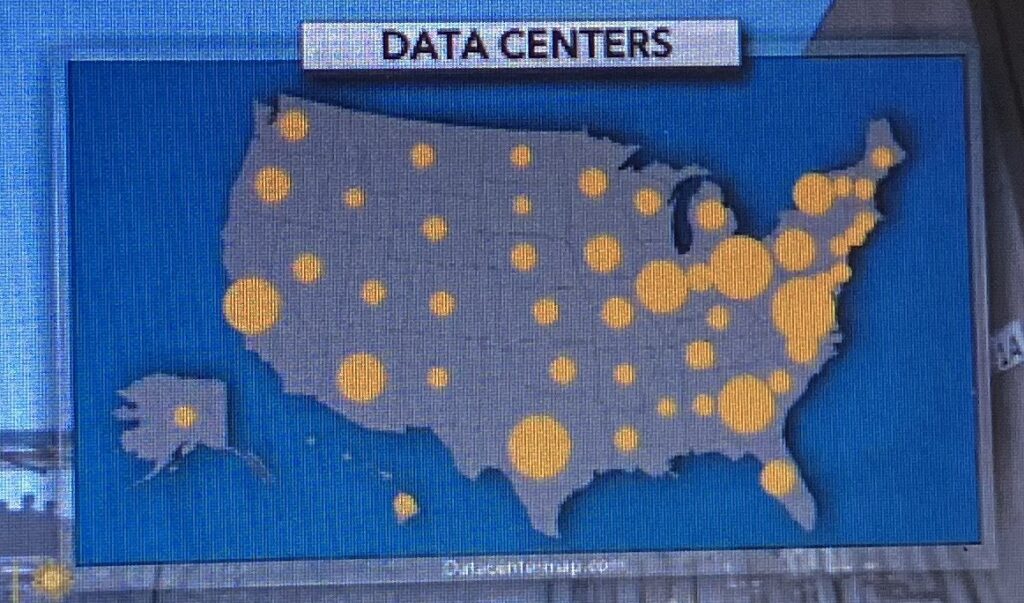
Here on Earth, the vast number of data centers that power artificial intelligence swallow huge amounts of energy. Tech companies are building massive numbers of AI data centers, with more than 4,000 are in operation across USA now.
An Announcement Dear Readers, followers or commenters of Fbsolarllc.com site. I am happy to let you …
Andrew Ng, a Stanford Univ. Professor wanted to build more advanced AI system from inside Google. For AGI to build “increasingly accurate approximations to small parts of mammalian brain,” was a requirement. Ng discovered neural models that could do more things if they had more nodes, layers and data to train on. Later, OpenAI scientists modify Google’s Transformer design and fed more and more data to compute. Turned out the device worked positively improving the Machine Learning technique.
The transformer’s invention (by Google) in 2017 was about as impactful to the field of AI as the advent of smartphones was to customers. Transformers also broadened the scope of what AI engineers could do. Handle far more data, process human language much more quickly.
A neural network is often made up of many different layers and nodes that process information in a vaguely similar way to our brain’s neurons. The more the model is trained, the better those nodes get at predicting or recognizing things.